
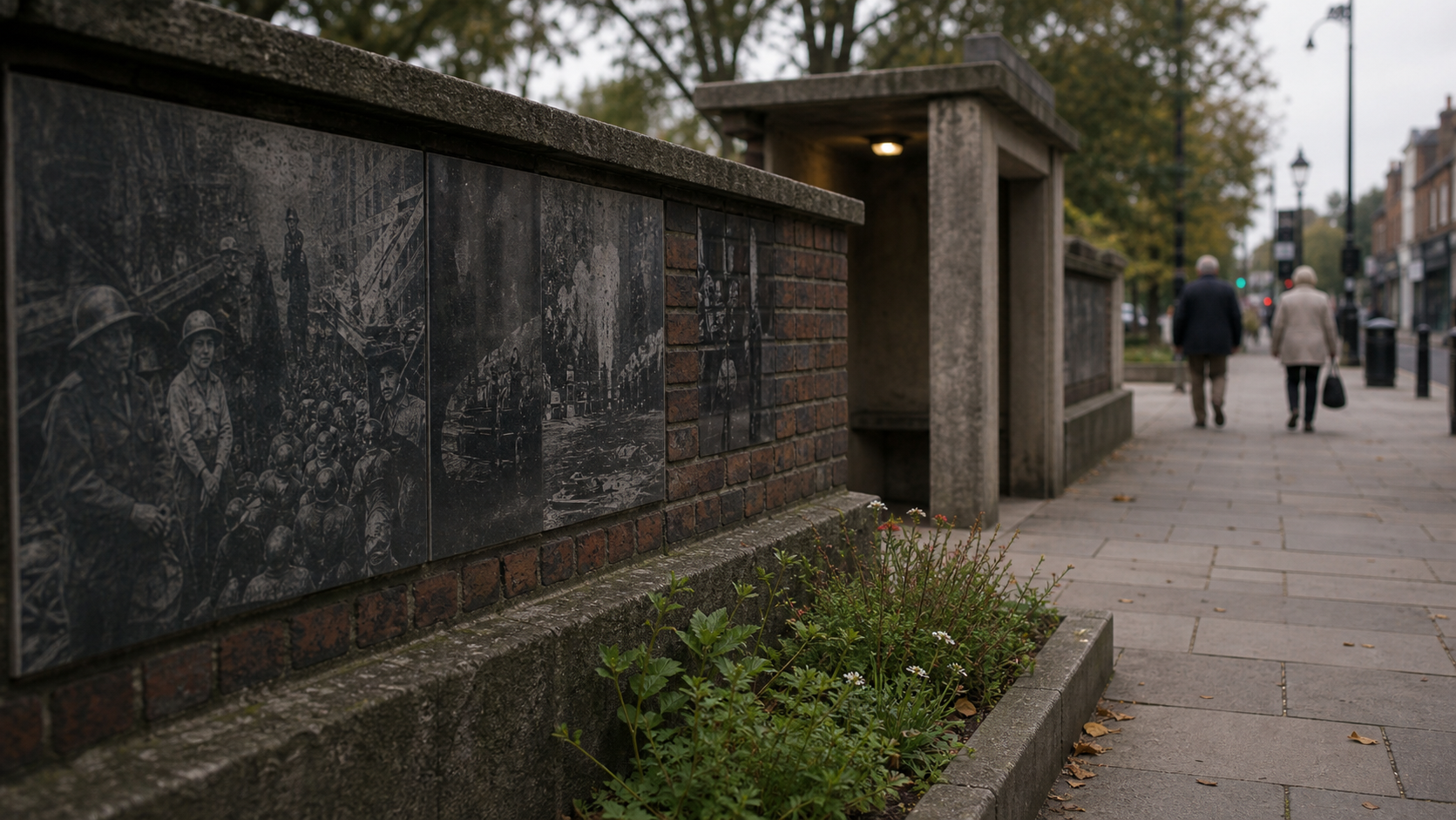
The phrase “Blitz spirit” appears whenever Britain is invited to endure something. A crisis, a shortage, a public-service failure, a winter pressure, a political embarrassment: sooner or later, the language of wartime resilience is brought out and placed over the present.
It is a powerful phrase because it sounds generous. It seems to honour courage, mutual aid and ordinary people under pressure. Those things deserve respect. The problem begins when the phrase is used not to remember the past, but to manage the present.
Endurance can become an instruction
There is a difference between recognising endurance and demanding it. The first says: people have carried a great deal. The second says: people should carry more without asking why.
Political language often slides between the two. A public asked to accept declining services, rising costs or insecure conditions is told, indirectly, that resilience is part of national character. To complain too loudly is to fall below the standard set by an imagined earlier generation.
This is why the phrase does more than decorate a speech. It changes the moral terms of the conversation. The issue stops being whether people should have been put in this position. It becomes whether they are responding with sufficient toughness.
The conversion of complaint
Complaint is not always noble, but it is often politically useful. It identifies pressure points. It tells us where systems are failing. It asks who is responsible and what should change.
The rhetoric of national endurance can convert complaint into weakness. A person angry about housing, wages, bills or waiting lists may be told that previous generations had it harder. The comparison does not solve the present problem. It simply shames the question.
That is a serious political move. Once complaint has been recoded as softness, those in power no longer need to answer it fully. They can praise the public instead of serving it.
The selective wartime memory
The wartime past invoked by Blitz language is itself selective. It often remembers courage and unity while giving less attention to inequality, class tension, profiteering, rationing disputes, poor housing, evacuation trauma, censorship and the immense state organisation required to keep people alive.
The actual lesson of wartime Britain is not simply that people were brave. It is also that collective provision mattered. Planning mattered. Public health mattered. Shelter, food, transport, labour, taxation and state capacity mattered.
When “Blitz spirit” is stripped down to attitude alone, the material lesson disappears. The public is left with character. The institutions responsible for conditions are left with cover.
Why the phrase keeps returning
It keeps returning because it is emotionally efficient. Few politicians want to say: accept less. It is much easier to say: we know the British people will rise to the challenge.
That sentence flatters the listener while lowering expectations. It allows hardship to be framed as a test of national character rather than a consequence of policy, neglect or distribution. It makes endurance feel noble while leaving the causes of endurance underexamined.
This does not mean every reference to wartime memory is cynical. But language can do political work even when the speaker believes it sincerely.
Honouring the past without misusing it
A better public memory would honour wartime experience without turning it into a weapon against present complaint. It would remember courage, but also remember organisation. It would remember sacrifice, but also ask who sacrifices and who is protected. It would remember solidarity, but not use solidarity to excuse avoidable hardship.
The past should help us see the present more clearly. When it is used to make people accept the present more quietly, it has become something else.
The Britain That Never Was by Ian Wilkinson looks at how wartime language sits inside a broader politics of nostalgia and national character.