
Subscription traps are not a new concern, but the subscription model now sits much closer to the centre of consumer life: a magazine, a gym, perhaps a television package. They are now part of the ordinary household economy. Music, software, games, home security, cloud storage and ordinary household services increasingly depend on a recurring payment.
That change is often described as a matter of preference. People like convenience. They can leave when they want. But the law is beginning to describe the arrangement more carefully.
The Digital Markets, Competition and Consumers Act 2024 sets specific duties around subscription contracts: clear information, reminders and ways to cancel. In April 2026, the Government said that nearly ten million subscriptions in the UK were believed to be unwanted.
This is not proof that every subscription is a trap. It is evidence that the old story, in which recurring payment is simply a neutral convenience, is incomplete.
What subscription traps change
A one-off purchase ends with a decision. A subscription turns that decision into an ongoing relationship. It makes payment the default and cancellation the action that requires attention, memory and sometimes effort.
That distinction matters. A product can be useful and still be sold through terms that make leaving needlessly difficult. The Competition and Markets Authority’s current investigation into Adobe’s cancellation fees shows why the details of an “annual billed monthly” plan matter as much as its monthly headline price.
Consumer law is not objecting to subscriptions as such. It is responding to the ways renewal, free trials, cancellation routes and notices can change the practical bargain after a person has signed up.
The inconvenience is part of the model
The familiar defence of recurring payment is that it is small. A few pounds here, a modest charge there. That may be true in isolation. The point is that a system made of many small defaults behaves differently from a single purchase.
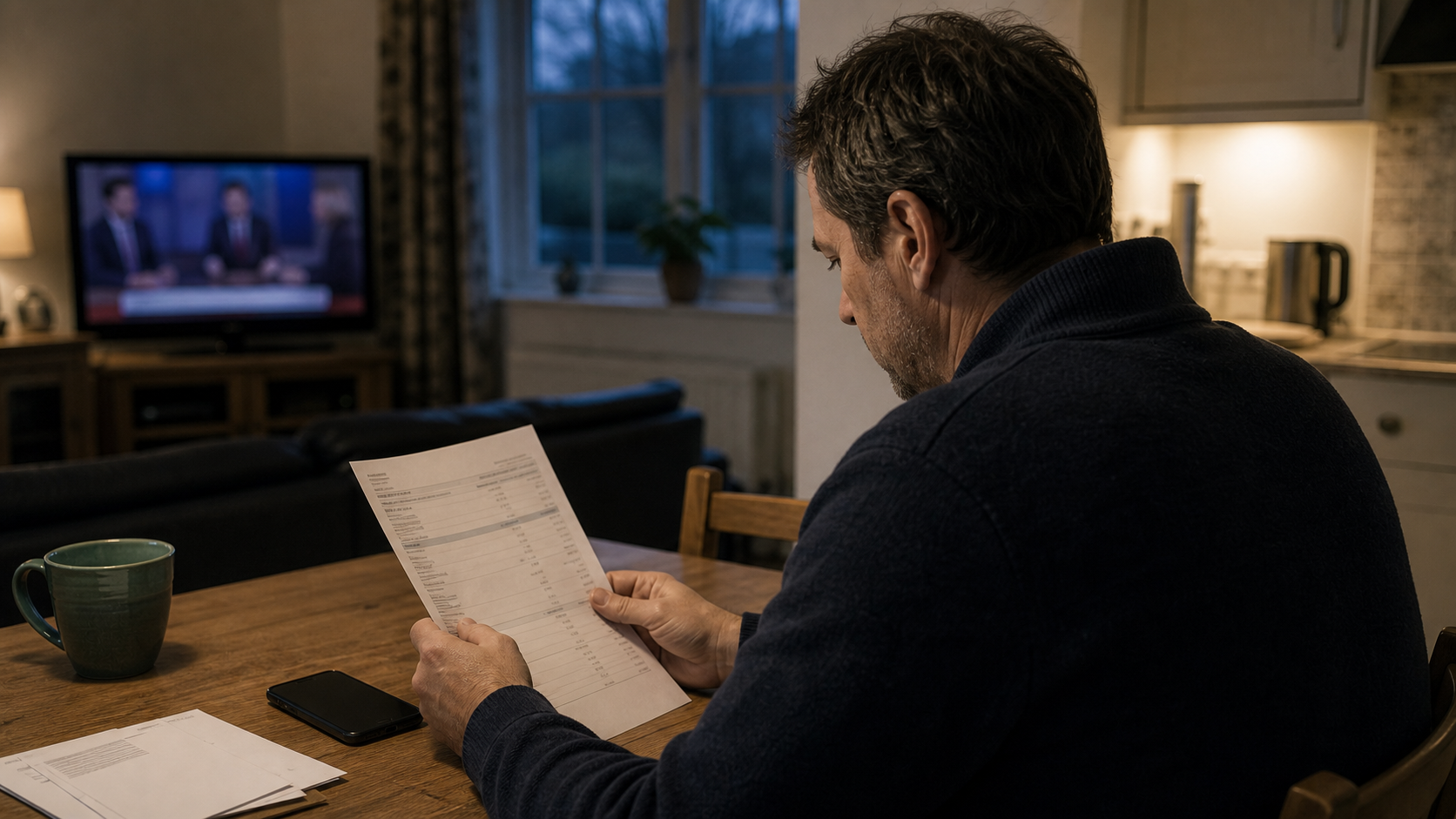
Each renewal asks very little of the company. It asks something from the customer: notice the charge, remember the terms, find the route out, decide whether to interrupt a service that may now hold files, preferences or access to something else.
That is why the issue belongs to ownership as well as spending. When access to a service is conditional on continual payment, the customer has a weaker claim on the thing they rely on. They may have use, but not lasting control.
Why the new rules matter
The new regime is designed around an ordinary but important principle: a person should be able to understand that a contract will continue and be able to end it without being steered through unnecessary obstacles. The legislation provides for reminder notices and cancellation arrangements, including an online route where the contract was made online.
Those are not dramatic demands. They are evidence that the “just cancel if you do not want it” answer was never quite enough. A market in which leaving is difficult does not test whether people value a service. It tests whether they have the time and information to escape it.
What to ask before the next renewal
- Is this something I own, or a service I only rent?
- What happens to my files, settings or access if I cancel?
- Will the price change after a trial or fixed term?
- Can I find the cancellation route before I need it?
- Would I choose this arrangement again today, knowing the full terms?
The wider bargain
None of this requires nostalgia for a world without subscriptions. Some recurring services are useful, fairly priced and easy to leave. The question is whether convenience has been allowed to obscure the transfer of power that comes with a permanent payment relationship.
Nothing to Show for It examines how access displaced ownership one reasonable upgrade at a time. The emerging rules on subscription contracts suggest that public policy has begun to notice the same pattern: when the exit is harder than the entry, convenience is no longer the whole story.
Read more about Nothing to Show for It. You may also want to read how the subscription economy changed ownership and why subscription fatigue was designed into the system.