
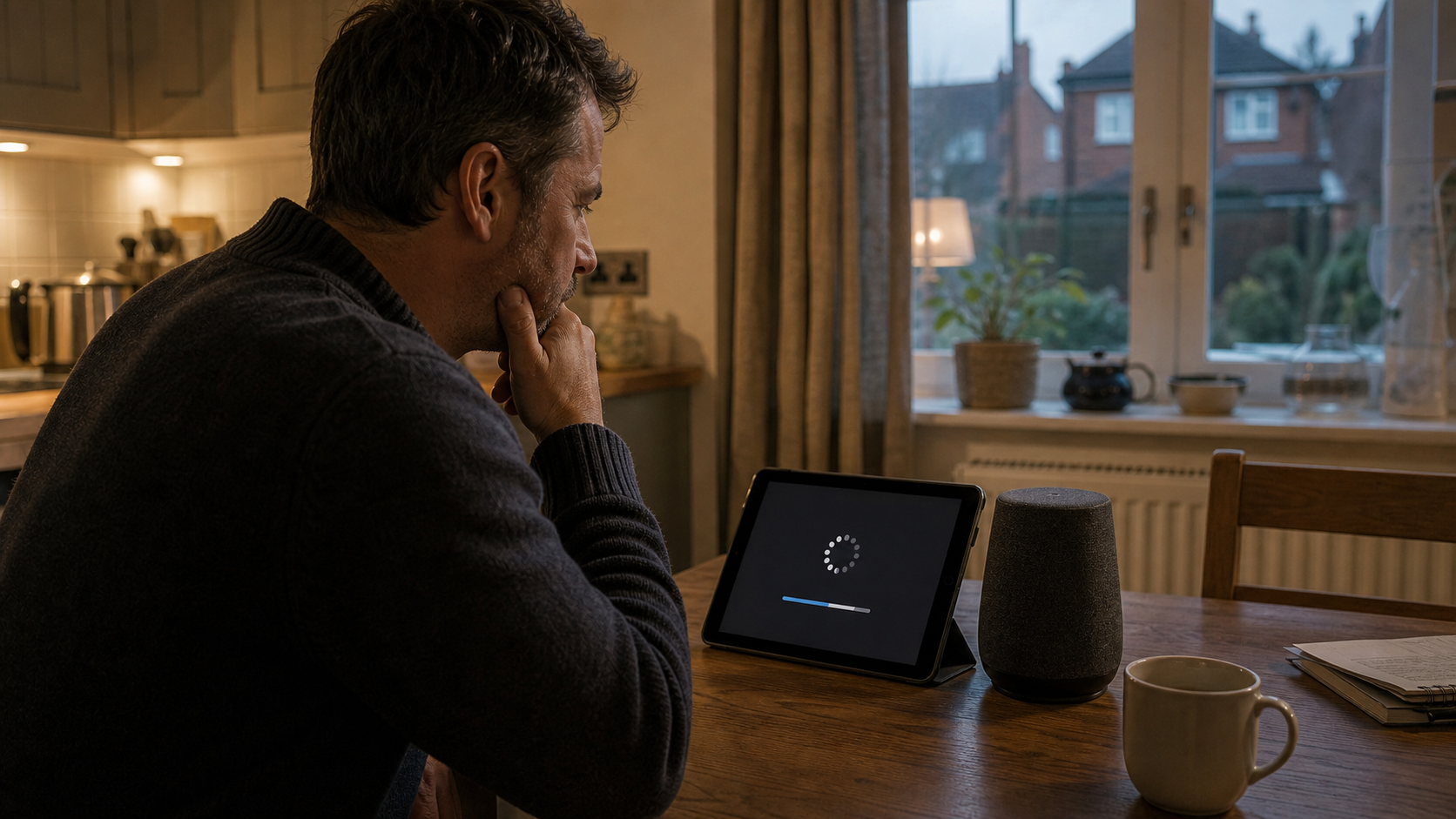
A product that depends on software is never only the object in your hand. It is also the updates, servers, account, compatibility decisions and support timetable that sit behind it.
That is easy to miss at the point of purchase. A device looks owned because it is paid for, sits in the home and can be held. But when a feature disappears, an app is withdrawn or a service requires a new subscription, the limits of that ownership become visible.
What the purchase no longer guarantees
Software has made many products better. It can improve security, fix faults and add useful functions. The difficulty is that it can also turn an ordinary product into a continuing permission. The buyer owns the hardware but depends on a company’s decision to keep the surrounding system alive.
That is not automatically a bad bargain. It becomes a problem when the dependency is unclear, when support ends without a viable alternative, or when a service that was included at purchase becomes another recurring charge.
Access is not the same as control
The distinction is the same one that has shaped music, film and software for years. Access can be convenient. Control is something else. It includes the ability to keep using what you bought, to repair it, move your data and make choices without a company continually standing between you and the thing you paid for.
Consumer rules are beginning to pay closer attention to subscription contracts, renewals and cancellation. But the larger question is not only how easily a customer can leave. It is what remains when they do.
Questions worth asking before you buy
- Which features depend on a continuing account or subscription?
- How long is software support likely to last?
- Can the product still perform its core job if the service ends?
- Can data be exported in a useful form?
- Is the price for the object, or an entry ticket to an ongoing relationship?
The cost of calling it progress
Convenience is real, but it can hide a transfer of risk. The company may be able to change the terms, withdraw support or require a new payment. The customer is left to replace a product that physically still works.
Nothing to Show for It traces how ownership was replaced by access one reasonable upgrade at a time. A product that stops working because a service has changed belongs to the same story: the object remains, but the control has gone.
Read more about Nothing to Show for It. See also how the subscription economy changed ownership.