
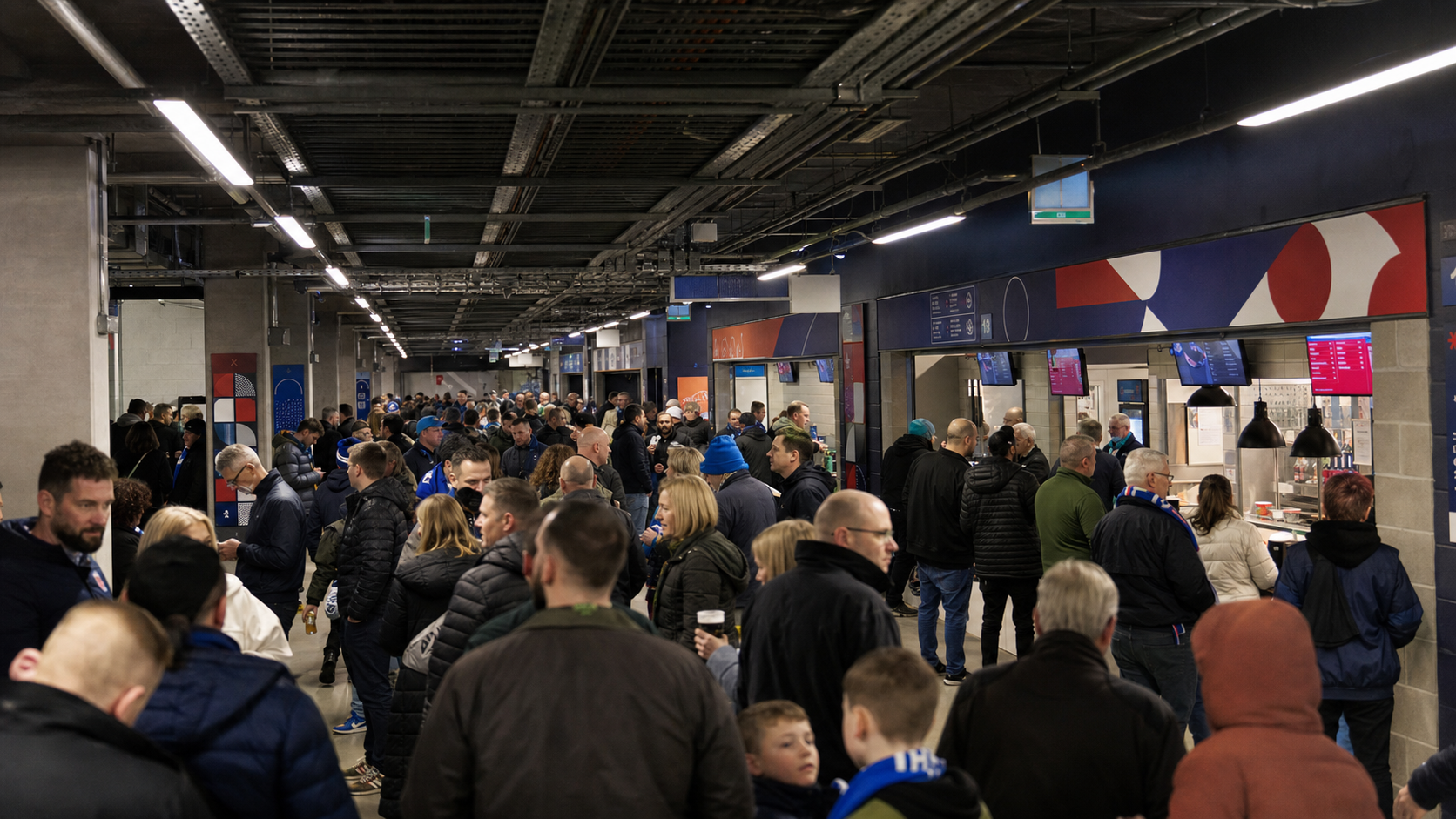
Alcohol sponsorship has become so familiar that it can look like ordinary public life. A sports event, festival or community venue is supported by a brand; the logo is part of the scenery; the commercial relationship is treated as background.
But sponsorship is not background. It is one of the ways an industry attaches itself to the places where people form loyalties, identities and habits.
What sponsorship buys
Advertising can be recognised and ignored. Sponsorship works differently. It places a product beside something people already value: a local team, a national occasion, music, celebration or belonging. The brand does not have to make an argument about drinking. It only has to become part of the setting in which drinking feels familiar and socially approved.
The World Health Organization identifies restrictions on alcohol advertising, sponsorship and promotion as part of the policy measures that can reduce alcohol harm. That reflects a simple point: marketing is not only about individual products. It shapes the cultural environment in which choices are made.
Across British sport, the arrangement reaches beyond headline naming rights. It can include official league or team partnerships, stadium pouring rights, pitch-side advertising, post-match interview backdrops and social-media content. Alcohol Change UK’s account of alcohol sponsorship in sport sets out how these overlapping channels make the association recurrent even when a brand is not on a shirt.
Why it can look harmless
Sponsorship often funds activities that are under financial pressure. That makes the arrangement easy to defend. The money may be real and the event may need it. But the question is not whether a sponsored organisation is grateful. The question is what the relationship normalises, and who pays when commercial visibility becomes part of public culture.
Alcohol brands do not sponsor everything equally. They are drawn to occasions with emotional weight, social visibility and an audience that can be reached through association rather than direct persuasion.
Public life or commercial territory?
The issue is not to remove joy from sport, music or local events. It is to be honest about the trade-off. When an industry linked to health harm is woven into public ritual, criticism can start to feel like an attack on the ritual itself. That is an effective form of protection.
Questions worth asking
- What values does the sponsorship borrow?
- Who is likely to see the brand in this setting?
- Would the event look different if public funding were stronger?
- What forms of promotion become normal once the logo is part of the occasion?
The Quiet Con examines how alcohol became the unexamined default in ordinary life. Sponsorship is one part of the machinery: it makes a commercial product feel like a neighbour, a tradition or a public good.
Read more about The Quiet Con. Related essays include Why the Alcohol Industry Funds Its Own Research.